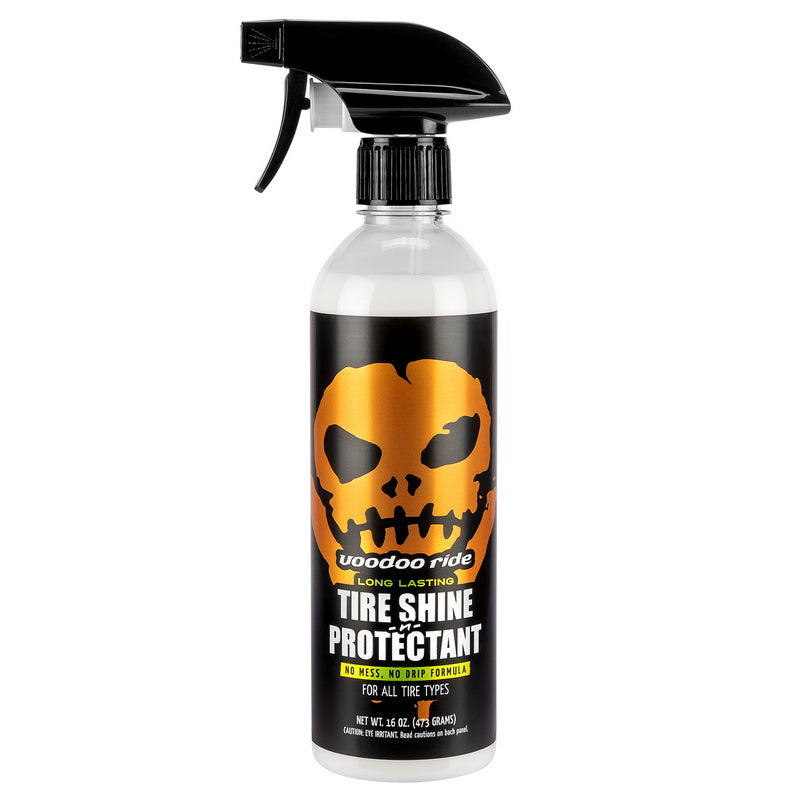
Clean, Protect, Condition: The Power of Tire Products
In the world of car care, enthusiasts often dedicate countless hours to perfecting their paintwork, polishing chrome, and vacuuming interiors. Yet, a crucial element often overlooked, or at best, given a cursory wipe, is the tires. Tires are the foundation of your vehicle's stance and appearance, the direct link between your machine and the road. A meticulously detailed car can look incomplete, even unkempt, if its tires are faded, dirty, or lacking that distinct, deep luster. This is where the power of dedicated tire products comes into play, transforming mundane rubber into a statement of care and attention to detail. More than just a cosmetic enhancement, the right tire products work synergistically to revive faded tires and achieve that glossy wet shine, while also offering crucial protection and conditioning benefits.
The Allure of a Perfect Finish: Understanding Tire Shine
When we talk about achieving that "showroom look," the conversation inevitably leads to tire shine. But what exactly is tire shine, and why does it hold such a significant place in the car detailing arsenal? At its core, tire shine is a dressing designed to enhance the aesthetic appeal of your tires, giving them a rich, deep black appearance that can range from a subtle satin sheen to an intense, high-gloss wet look. It’s the final touch that elevates a good detail to a great one, creating a striking contrast between the pristine wheels and the deep, dark rubber.
- Aesthetic Impact: A glossy, well-dressed tire instantly makes the entire vehicle look cleaner and more polished. It's the equivalent of a perfectly shined pair of shoes with a sharp suit – it completes the ensemble. Without a proper tire shine, even the cleanest paintwork can appear less vibrant.
- Types of Finishes: Modern tire shine products offer a spectrum of finishes to suit individual preferences. You can choose a high-gloss product for that quintessential "wet tire shine" effect, a satin finish for a more understated, OEM look, or even a matte finish for a truly subtle enhancement. The key is finding a product that aligns with your personal style and the overall aesthetic of your vehicle.
- Beyond Basic Cleaning: While cleaning your tires removes dirt and grime, it doesn't restore their original vibrancy or protect them from future elements. Tire shine products go a step further, infusing the rubber with agents that deepen its color and provide that desired finish, making them an indispensable part of exterior car detailing.
Beyond Aesthetics: The Protective and Conditioning Benefits of Tire Products
The visual transformation delivered by a quality tire shine is undeniable, but its benefits extend far beyond mere aesthetics. Modern tire dressings are formulated not just to make your tires look good, but to actively protect and condition the rubber, contributing to their longevity and overall health. This dual-action approach—beauty and brawn—is what truly defines the power of tire products. For a deeper dive, read our article Beyond the Shine: Why Your Tires Need Protection & Conditioning.
Crucial Protection Against Environmental Elements
Tires face a relentless barrage of environmental hazards every single day. Just like your skin, rubber can suffer from exposure to harsh elements, leading to premature aging and degradation. Quality tire protectants act as a vital barrier:
- UV Radiation: The sun's ultraviolet rays are a tire's worst enemy, causing the rubber to dry out, fade, and eventually crack. High-quality tire shine products contain UV inhibitors that block these harmful rays, much like sunscreen for your tires, preventing them from becoming brittle and grey.
- Ozone Degradation: Ozone is a naturally occurring gas that can attack rubber, leading to a process known as "ozone cracking" or "dry rot." Many tire dressings are formulated with anti-ozonants that help resist this damage, preserving the rubber's integrity.
- Road Grime & Contaminants: Tar, brake dust, road salt, and other pollutants cling to tires, making them look dirty and potentially causing long-term damage. A good tire protectant creates a slick surface that helps repel these contaminants, making future cleaning easier and keeping tires cleaner for longer.
Conditioning for Optimal Rubber Health
Just as you condition your hair or moisturize your skin, tires benefit immensely from conditioning agents. These ingredients work to nourish the rubber, keeping it supple and preventing the common issues associated with neglect:
- Preventing Drying & Cracking: Over time, tires lose their natural oils and plasticizers, leading to a stiff, dry appearance prone to cracking. Conditioning agents in tire dressings replenish these vital components, maintaining the rubber's elasticity and preventing unsightly cracks that can compromise performance and appearance.
- Restoring Natural Luster: Beyond just adding shine, conditioners help restore the tire's natural, deep black color, making them look newer and healthier. This restorative aspect is particularly beneficial for older or neglected tires.
- Maintaining Flexibility: Flexible rubber is less prone to damage from impacts and temperature changes. Conditioners help maintain this flexibility, which can indirectly contribute to the tire's overall lifespan and performance.
By understanding these protective and conditioning benefits, it becomes clear that a quality tire product is not just a cosmetic indulgence but an essential part of comprehensive tire maintenance, ensuring your tires not only look phenomenal but also remain healthy and durable.
Choosing the Right Tire Product: Gels, Sprays, and Water-Based Solutions
The market is flooded with various tire shine and protectant options, each promising superior results. Navigating this landscape requires understanding the different formulations and their unique characteristics. The choice often boils down to your desired finish, ease of application, and the specific needs of your tires.
Formulation Types:
- Gels and Creams: These are typically thicker, offering excellent control during application. Gels often provide a deeper, longer-lasting shine and are less prone to "sling" (the product flinging off the tire onto your paintwork) if applied correctly. They are excellent for achieving a high-gloss, wet look, or can be buffed down for a satin finish. Their consistency usually means they adhere better to the tire, providing extended protection.
- Sprays: Tire shine sprays offer quick and easy application. They can be found in various finishes, from high gloss to matte. While convenient, sprays can sometimes lead to overspray on wheels or paint, necessitating careful application or masking. Proper technique involves spraying onto an applicator rather than directly onto the tire.
- Foams: Some products come in a foam format, often designed for both cleaning and shining. These can be convenient for a quick refresh, but may not offer the same level of deep conditioning or long-lasting shine as dedicated gels or sprays.
Water-Based vs. Solvent-Based Formulas:
This is a critical distinction that impacts both performance and tire health:
- Water-Based Dressings: These are generally considered safer for your tires and the environment. They typically contain natural oils, polymers, and conditioners suspended in water. Water-based products are less likely to cause tires to brown (a common issue with older solvent-based products), and they nourish the rubber. While some water-based products offer a high gloss, many lean towards a more natural, satin finish. They are less prone to drying out the rubber over time, making them excellent for long-term tire health.
- Solvent-Based Dressings: These often use silicone oils or petroleum distillates as their base. They are renowned for delivering a super-high, "wet look" gloss that can last for weeks. However, solvent-based products can, over time, leach plasticizers and oils from the rubber, potentially leading to drying, browning, and cracking. While modern formulations have improved, many detailing professionals recommend water-based products for their superior conditioning benefits and safety for the rubber. If you opt for solvent-based, choose reputable brands known for quality.
Applicators: The Key to a Flawless Finish
Regardless of the product type, the right applicator is essential for an even, streak-free finish and to prevent overspray and sling. Foam applicator pads are ideal for gels and creams, allowing you to spread the product uniformly without excess. For sprays, apply the product directly onto the foam applicator and then wipe it onto the tire.
Mastering the Application: Tips for a Flawless, Long-Lasting Shine
Achieving that coveted deep, rich, and durable tire shine isn't just about the product; it's equally about the application technique. Proper preparation and careful execution are key to maximizing the lifespan of your dressing and avoiding common pitfalls like sling or uneven coverage. If you're looking to revive faded tires and achieve that glossy wet shine, these steps are crucial.
1. Preparation is Paramount: Cleanliness is Next to Shine-liness
This is arguably the most critical step. Applying tire shine over dirty tires is like painting over a dusty wall – the result will be poor and short-lived.
- Thorough Tire Cleaning: Use a dedicated tire cleaner and a stiff-bristled brush to aggressively scrub the tire walls. This removes old dressing, brake dust, road grime, and any browning agents that have leached to the surface. Rinse thoroughly until no brown suds appear.
- Wheel Cleaning: Don't forget the wheels! Clean your wheels thoroughly to remove brake dust and grime. This prevents contaminants from transferring back to the tire during dressing application.
- Dry Completely: This step cannot be overstated. Tire shine products perform best on a completely dry tire. Water dilutes the product, affects adhesion, and can lead to streaking or reduced durability. Use a towel or a leaf blower to ensure the tires are bone dry.
2. Application Technique for Perfection
Once your tires are surgically clean and dry, you're ready to apply the dressing.
- Work in a Shaded Area: Apply the product in a cool, shaded environment. Direct sunlight or hot tires can cause the product to dry too quickly, leading to uneven application or streaking.
- Less is More: It's tempting to slather on a thick layer, but this is a common mistake that leads to sling. Apply a small amount of product onto a foam applicator pad.
- Even Spreading: Work the product evenly around the entire sidewall of the tire, including any raised lettering. Use consistent pressure and motion to ensure full coverage without streaks. Many detailers recommend applying in a circular motion or in overlapping horizontal passes.
- Wipe Off Excess: After initial application, allow the product to dwell for a few minutes (check product instructions). Then, take a clean, dry microfiber towel or a fresh side of your applicator and lightly buff the tire. This removes any excess product, reduces the chance of sling, and often helps to even out the finish. For a satin look, buff more vigorously. For a high gloss, a lighter buff might suffice.
- Allow to Cure: Let the product fully cure before driving the vehicle, ideally for at least 30 minutes to an hour, or even longer if possible (overnight is best). This allows the dressing to bond properly with the rubber, significantly enhancing its durability and preventing sling onto your paintwork.
Common Pitfalls to Avoid:
- Sling: The bane of tire dressing. Primarily caused by over-application or insufficient curing time. Always wipe off excess!
- Browning: Often a sign of either an incompatible product with your tire's rubber (e.g., harsh solvent-based dressings) or, more commonly, not thoroughly cleaning the tire before application. Old dressing and road grime will brown under a fresh coat.
- Uneven Application: Results in patchy or streaky looking tires. Always use a dedicated applicator and work carefully.
By following these meticulous steps, you'll not only achieve a stunning, long-lasting tire shine but also ensure your tires remain protected and conditioned against the rigors of the road.
Conclusion
The journey to a truly pristine vehicle is paved with attention to detail, and no detail is too small to overlook. While paintwork, wheels, and interior cleanliness often take center stage, the condition of your tires plays a pivotal role in the overall aesthetic and health of your car. The power of dedicated tire products lies in their multi-faceted ability to clean, protect, and condition. From achieving that enviable, glossy wet tire shine that perfectly frames your wheels, to safeguarding the rubber from harmful UV rays, ozone, and environmental contaminants, these products are indispensable. They don't just make your tires look good; they actively preserve their health, preventing premature drying, cracking, and fading, thereby extending their lifespan. By embracing a comprehensive tire care regimen—selecting the right products, mastering the application technique, and prioritizing preparation—you elevate your vehicle's appearance from merely clean to truly show-stopping, ensuring your tires are always a testament to meticulous care and a keen eye for detail.