Revive Faded Tires: Achieve That Glossy Wet Shine
There's something undeniably captivating about a car with freshly detailed tires. They complete the look, transforming an otherwise clean vehicle into a showstopper. Yet, over time, tires inevitably fall victim to the elements – dirt, grime, UV rays, and road contaminants take their toll, leaving them looking dull, faded, and tired. This is where the magic of tire shine comes in. It's not just about aesthetics; it's about restoring that deep, rich black and protecting your tires for the long haul. If you're ready to say goodbye to drab and hello to dazzling, read on to discover how to achieve that coveted glossy wet shine.
The Transformative Power of Tire Shine: More Than Just Looks
Many perceive tire shine as purely a cosmetic product, a quick fix for a lackluster appearance. While it undeniably delivers a dramatic visual improvement, its benefits extend far beyond surface-level gloss. A quality tire shine product actively works to:
- Restore Deep Black: Faded tires often appear grayish or brown. Tire shine penetrates the rubber, bringing out its natural, deep black color, making them look brand new.
- Create a "Wet Look" Finish: Depending on the product, you can achieve anything from a subtle, satin finish to an intense, high-gloss "wet look" that truly makes your wheels pop.
- Provide Protection Against the Elements: Modern tire shine formulations often include UV inhibitors that shield your tires from the sun's damaging rays, which can cause cracking, fading, and premature aging of the rubber.
- Repel Dirt and Grime: A good tire dressing creates a protective barrier that makes it harder for dirt, brake dust, and road grime to adhere, making future cleaning much easier.
- Condition the Rubber: Some premium products contain conditioning agents that keep the rubber supple, preventing it from drying out and cracking over time.
Understanding the Different Types of Tire Shine
The world of tire care products offers a diverse range of options, each with its unique characteristics, application methods, and resulting finishes. Choosing the right tire shine depends on your desired look, application preference, and longevity requirements.
1. Sprays
- Pros: Quick and easy to apply, good for quick touch-ups. Can cover large areas quickly.
- Cons: Prone to overspray, which can get on paint, wheels, or brake components. Can sometimes lead to "sling" (product flinging onto the car body once you start driving) if not applied correctly or allowed to cure.
- Finish: Varies from satin to high gloss.
2. Gels & Creams
- Pros: Offer precise application, minimizing overspray and sling. Tend to provide a deeper, longer-lasting shine. Often contain more conditioning agents.
- Cons: Requires more time and an applicator pad for even application. Can be thicker and harder to spread.
- Finish: Typically deliver a richer, more durable glossy wet shine.
3. Foams
- Pros: Convenient "clean and shine" products. The foam expands to cover the tire surface, often lifting light dirt.
- Cons: Less control over application compared to gels. May not offer the same level of durability or deep shine as dedicated gels.
- Finish: Usually a moderate to high gloss.
Water-Based vs. Silicone-Based Formulas
It's also important to distinguish between the two primary chemical bases for tire shine:
- Silicone-Based: These often provide a higher gloss and tend to last longer. However, some traditional silicone products can be greasy and may contribute more to sling if over-applied. They are very effective at repelling water and providing a deep shine.
- Water-Based: Generally considered more environmentally friendly and often less greasy. They typically offer a more satin or natural finish, but many modern water-based formulations can still deliver an impressive glossy wet shine without the downsides of older silicone products. They often contain more conditioning ingredients beneficial for rubber health.
Achieving the Perfect Glossy Wet Shine: Application Mastery
The secret to a long-lasting, sling-free, and truly glossy wet shine isn't just about the product; it's about the process. Proper preparation is paramount.
- Thorough Cleaning is Non-Negotiable: This is arguably the most critical step. Applying tire shine to a dirty tire is like painting over rust – it won't last and won't look good. Use a dedicated tire and wheel cleaner and a stiff brush to scrub away all dirt, old dressing, and brake dust. Rinse thoroughly until the water runs clear and no brown residue is visible.
- Dry the Tires Completely: For optimal adhesion and to prevent streaking, ensure your tires are completely dry before application. You can use a dedicated drying towel or a leaf blower for speed.
- Apply Sparingly and Evenly:
- For Gels: Squeeze a small amount onto a dedicated foam or microfiber applicator pad. Work it into the tire in a thin, even layer, going around the tire's circumference.
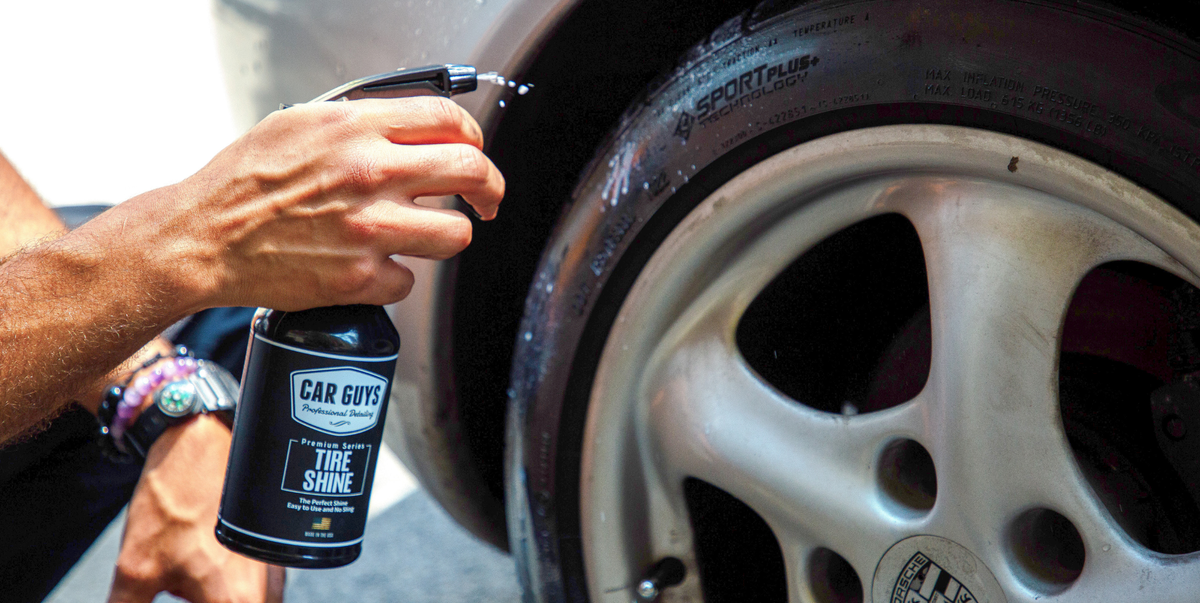
- For Sprays: Hold the bottle 6-8 inches from the tire. Spray a light, even mist. Many detailers recommend spraying onto an applicator pad first, then wiping onto the tire to prevent overspray on rims and paint. Alternatively, you can shield your wheels with cardboard.
- For Foams: Spray directly onto the tire, ensuring even coverage.
- Spread and Level: Use your applicator pad to ensure the product is spread evenly over the entire sidewall. Work it into the grooves and raised lettering. If you desire a less glossy look, you can buff off any excess with a clean microfiber towel after a few minutes.
- Allow to Cure: This is crucial to prevent sling. Let the tire shine dry and cure for at least 15-30 minutes, or even longer if specified by the product. Driving immediately after application is a surefire way to end up with black spots on your paintwork. For best results, allow it to cure overnight if possible.
Beyond the Shine: Why Your Tires Need Protection and Conditioning
While the aesthetic appeal of a freshly applied tire shine is undeniable, its protective qualities are equally, if not more, important for the longevity and health of your tires. Tires are constantly exposed to harsh conditions:
- UV Radiation: The sun's ultraviolet rays break down rubber compounds, leading to fading, brittleness, and eventually cracking. Quality tire shine acts as a sunscreen for your tires.
- Ozone Degradation: Ozone in the atmosphere also attacks rubber, accelerating its degradation.
- Road Contaminants: Tar, oils, salt, and various chemicals encountered on the road can stain and degrade the tire's surface.
By regularly applying a protective tire shine or dedicated tire protectant and conditioner, you're not just making them look good; you're actively preserving their structural integrity and extending their lifespan. Look for products specifically formulated to clean, protect, and condition, as they offer comprehensive care.
Choosing the Right Tire Shine for Your Needs
With so many options, selecting the best tire shine can feel overwhelming. Consider these factors:
- Desired Finish: Do you want a subtle, natural satin look or a mirror-like, ultra-glossy wet shine?
- Durability: How long do you want the shine to last? Some products last a few days, others weeks.
- Application Preference: Do you prefer the ease of a spray, the precision of a gel, or the convenience of a foam?
- Sling Resistance: If you drive frequently or have low-profile tires, a low-sling formula is essential.
- Protection Benefits: Does it offer UV protection and conditioning?
- Budget: Price points vary significantly. Higher-priced products often offer better durability and protection.
Common Tire Shine Mistakes to Avoid
To ensure you get the most out of your tire shine and avoid common pitfalls, steer clear of these errors:
- Applying to Dirty Tires: As mentioned, this is the cardinal sin. The product won't adhere properly, and you'll get poor results.
- Over-Application: More isn't always better. Too much product will lead to excessive sling and a greasy, unnatural look. A thin, even coat is key.
- Not Allowing Proper Cure Time: Impatience leads to sling. Give the product ample time to dry and bond with the rubber.
- Applying to Hot Tires: Heat can cause the product to evaporate too quickly or streak. Always apply to cool tires.
- Using Household Products: Avoid using non-automotive products like silicone-based furniture polish. These can actually damage your tires over time or attract excessive dirt.
- Getting Product on Brake Components: Some formulas, if they get onto brake rotors or pads, can temporarily affect braking performance. Always be careful during application.
Conclusion
A set of perfectly shined tires can dramatically elevate the appearance of any vehicle, transforming it from ordinary to extraordinary. Beyond the immediate aesthetic gratification of that deep, glossy wet shine, a quality tire shine provides essential protection against the harsh realities of the road and sun, extending the life and maintaining the integrity of your rubber. By understanding the different types of products available, mastering the application technique, and avoiding common mistakes, you can consistently achieve professional-grade results right in your driveway. So, go ahead, give your tires the attention they deserve and let your ride truly sparkle from the ground up.